Handheld Hardware /
Valve Releases SteamOS 3.10 Preview With Better Handheld Support, HDR and Display Improvements
Valve released the SteamOS 3.10 preview on November 14 with Linux 7.3, KDE Plasma 6.8.2, HDMI 2.1 upgrades, and broader handheld HDR support.
Key facts
- Topic:
- Handheld Hardware
- Published:
- 2026-11-14
- Reported by:
- Gameforce Mobile News Desk
Key takeaways
- SteamOS 3.10 Preview launched on November 14 in the Preview channel with Linux 7.3, an updated Arch Linux base, and KDE Plasma 6.8.2.
- Adds AMD HDMI 2.1 features including VRR, Fixed Rate Link, and Auto Low Latency Mode, plus frame-timing and HDR flicker fixes.
- Introduces HDR and brightness-control support for the ASUS ROG Xbox Ally X20 alongside Bluetooth audio and slow-charger warning fixes.
Valve has released the first SteamOS 3.10 preview, introducing substantial software improvements for Steam Deck owners and other compatible gaming handhelds. The update was published early on November 14 and is currently available through the Steam Deck's Preview update channel rather than the stable release system. Among the most important changes are a newer Linux 7.3 kernel, an updated Arch Linux base and the move from KDE Plasma 6.7.3 to Plasma 6.8.2 for Desktop Mode.
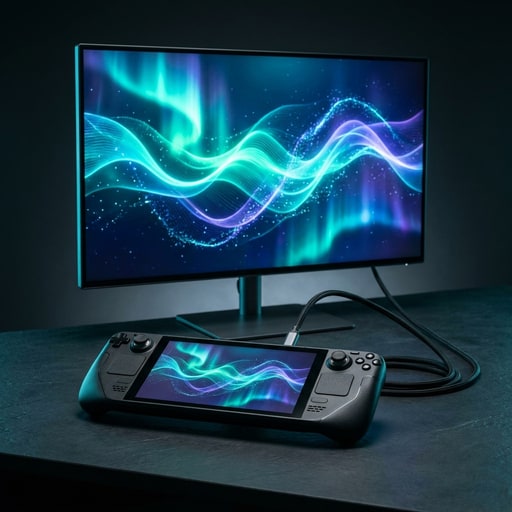
Valve has also introduced support for additional HDMI 2.1 functionality on compatible AMD graphics hardware, including variable refresh rates, Fixed Rate Link and Auto Low Latency Mode. These improvements could be valuable when connecting supported handheld systems to external monitors and televisions. Additional changes address frame timing, display flickering and compatibility with certain HDR games.
Valve has also added HDR and brightness-control support for the ASUS ROG Xbox Ally X20, demonstrating its continuing interest in extending SteamOS compatibility beyond its own hardware. Smaller improvements include fixes for Bluetooth audio disconnections when switching operating modes and incorrect slow-charger warnings. The update is particularly relevant as gaming handhelds increasingly compete on software quality and system integration rather than hardware specifications alone.
However, this is an early preview build, and Valve warns that users may encounter bugs or compatibility problems. No stable release date or independently verified battery-life improvements have been announced. Apparently the handheld gaming industry has discovered that an additional few frames per second are wonderful, but preventing the interface from flickering and the headphones from disconnecting is equally important.