Hardware /
CXMT Starts Mass Production of New LPDDR5X Platform for Smartphones
Chinese memory manufacturer CXMT says its fifth-generation memory platform has entered mass production, introducing new 24-gigabit LPDDR5X chips aimed...
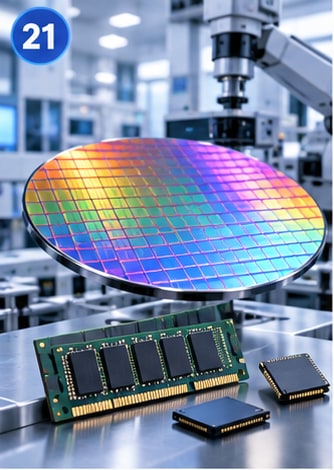
Key facts
- Topic:
- Hardware
- Published:
- 2026-09-20
- Reported by:
- Gameforce Mobile News Desk
Key takeaways
- Chinese memory manufacturer CXMT says its fifth-generation memory platform has entered mass production, introducing new 24-gigabit LPDDR5X chips aimed partly at smartphones and other portable electronics.
- The company says the platform increases the amount of memory produced from each wafer while reducing cost and power consumption, potentially giving handset manufacturers another source of high-density mobile DRAM.
- For the mobile ecosystem, memory is becoming an increasingly strategic component as AI workloads push flagship phones toward PC-like RAM capacities.
Chinese memory manufacturer CXMT says its fifth-generation memory platform has entered mass production, introducing new 24-gigabit LPDDR5X chips aimed partly at smartphones and other portable electronics. The company says the platform increases the amount of memory produced from each wafer while reducing cost and power consumption, potentially giving handset manufacturers another source of high-density mobile DRAM. CXMT is using quadruple-patterning manufacturing techniques and reports cell spacing of 11.
95 nanometres. The announcement is strategically important because the global DRAM market remains dominated by Samsung Electronics, SK Hynix and Micron. More competition could eventually influence component availability and pricing, particularly as phones increasingly require large memory capacities for local AI models and high-end gaming. It is too early to assume consumers will immediately see cheaper devices: qualification, yields and long-term supply contracts all matter.
Nevertheless, mass production represents a more concrete milestone than a laboratory demonstration. For the mobile ecosystem, memory is becoming an increasingly strategic component as AI workloads push flagship phones toward PC-like RAM capacities.